Featured Resources
USDA Services
- Nebraska Farm Service Agency (FSA)
- Nebraska Natural Resources Conservation Service (NRCS)
- Find Your Local Service Center
Small Business Administration (SBA)
Farm and Ranch Financial Analysis Services
The University of Nebraska-Lincoln Center for Agricultural Profitability offers free, one-on-one financial analysis services to help Nebraska farmers and ranchers better understand their financial position, evaluate options and plan next steps for their operation. Learn more
Behavioral Health Resources After Natural Disasters
Behavioral Health Resources After Natural Disasters is a curated list of resources supporting providers, communities and youth in Nebraska following a natural disasters. Website
Donations and Fundraising
United After the Storm Fund to assist survivors of the May 17 tornado near St. Libory, Nebraska. Established by Heartland United Way in Grand Island. Donations can be made online at https://www.heartlandunitedway.org/stlibory Donations will be distributed among those directly impacted by the tornado.
4-H'ers Helping 4-H'ers Fund: Funds are available to any Nebraska 4-H family who has been impacted by a disaster. Learn how you can access the funds or donate. Visit the Nebraska 4-H Foundation.
Nebraska Department of Agriculture Resources
- Disaster relief resources and donation sites: https://nda.nebraska.gov/disasterresources
- For Producers: If you need hay, feedstuffs, fencing materials, volunteer help, equipment, etc. call 1-800-831-0550 or fill out the form at https://bit.ly/ndadonationrequests.
- For Donations: If you have hay, feed, fencing materials, equipment, household supplies, etc. that you are willing to donate, please call 1-800-831-0550 or fill out the form at: https://bit.ly/ndadonationsupplies.
Farm Rescue - https://farmrescue.org/
Other Support Resources
- Nebraska Rural Response Hotline: 1-800-464-0258 | Website Financial Assistance | Legal Assistance | Disaster Relief | Emotional Support
- SAMHSA Disaster Distress Helpline - 1-800-985-5990. Toll free, multilingual, crisis support - available 24/7 | Website
- National Suicide Prevention Lifeline - 24/7, Free, Confidential: Call or text 9-8-8 | Website
Preparedness
Pests
Hail Events
- Hail Know: Resources to help producers assess hail damage, navigate insurance, and make decision about their crops.
Wildfires
- Nebraska Recovery Roundup: Extension Series on Wildfire Recovery Resources
- Wildfires at Our Doorstep: What Lancaster County Residents Need to Know (Nebline 2026)
- Livestock Producers Impacted by Wildfires - Resources
- Caring for Livestock and People After a Wildfire (Podcast: UNL Beef Watch)
- Crop Watch - Resources for Crop Producers
- Center for Ag Profitability
- Be Well & Wise: Assessing Water Well & Onsite Wastewater Systems after a Wildfire (April 20, 2026)
- Be Aware of Potential Invasive Species in Donated Hay (NDA, April 3, 2026)
- Moving Cattle Out of and Back Into Nebraska for Grazing Purposes (NDA, April 3, 2026)
- USDA Programs for Producers Impacted by Wildfires
- Nebraska Wildfire Activity/Risk Maps and Resources
- Tick Safety Briefing and Field Guide for Utility Crews
- Nebraska Rangeland Wildfire Monitoring Project
Home, Health & Safety
- Returning Home After a Wildfire (English)
- Returning Home After a Wildfire (Spanish)
- Wildfires and Early Childhood
- Care for Storm-damaged Gardens, Trees, and Landscapes
- Cleaning Up After a Disaster
- Replacing Important Documents
- Disaster Anniversaries
Upcoming & Archived Webinars:
Resources
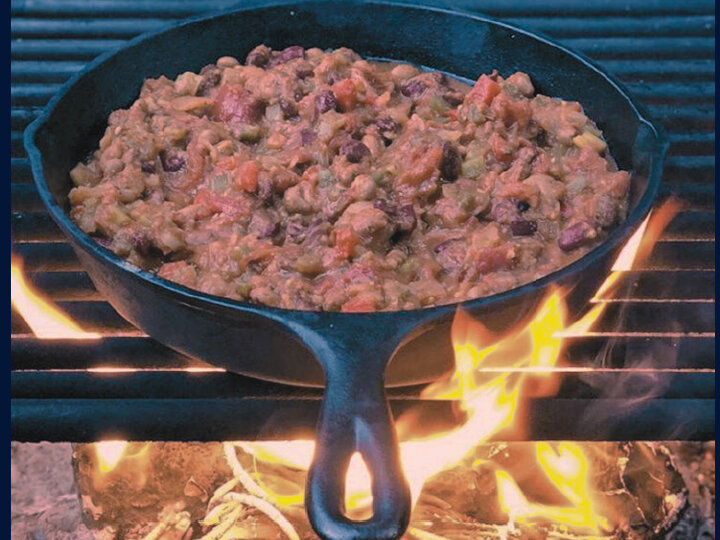
Severe Weather Preparedness
Make a severe weather plan before you need it! Your family may not be together when a disaster strikes, so it is important to plan in advance: how you will get to a safe place, how you will contact one another, how you will get back together, and what you will do in different situations.

Disaster Anniversaries
Reliving the sadness is a very natural part of the healing process. But there is no one right way to heal.


Resources on this site are supported by the
Rapid Response to Extreme Weather Events Across Food and Agriculture Systems (A1712),
Project Award No. 2025-67019-44003, from the U.S. Department of Agriculture's National Institute of Food and Agriculture.
Looking for more information? Try our partners.